Towing gear
Weight distribution hitch: what it does, and when you need one
A heavy caravan on the tow ball pushes the back of the vehicle down and lifts the front. A weight distribution hitch levers some of that weight forward again, so the steering and brakes feel right. It does not make an overloaded rig legal.
Hitch & HighwayChecked 3 October 20264 min read
Quick answer
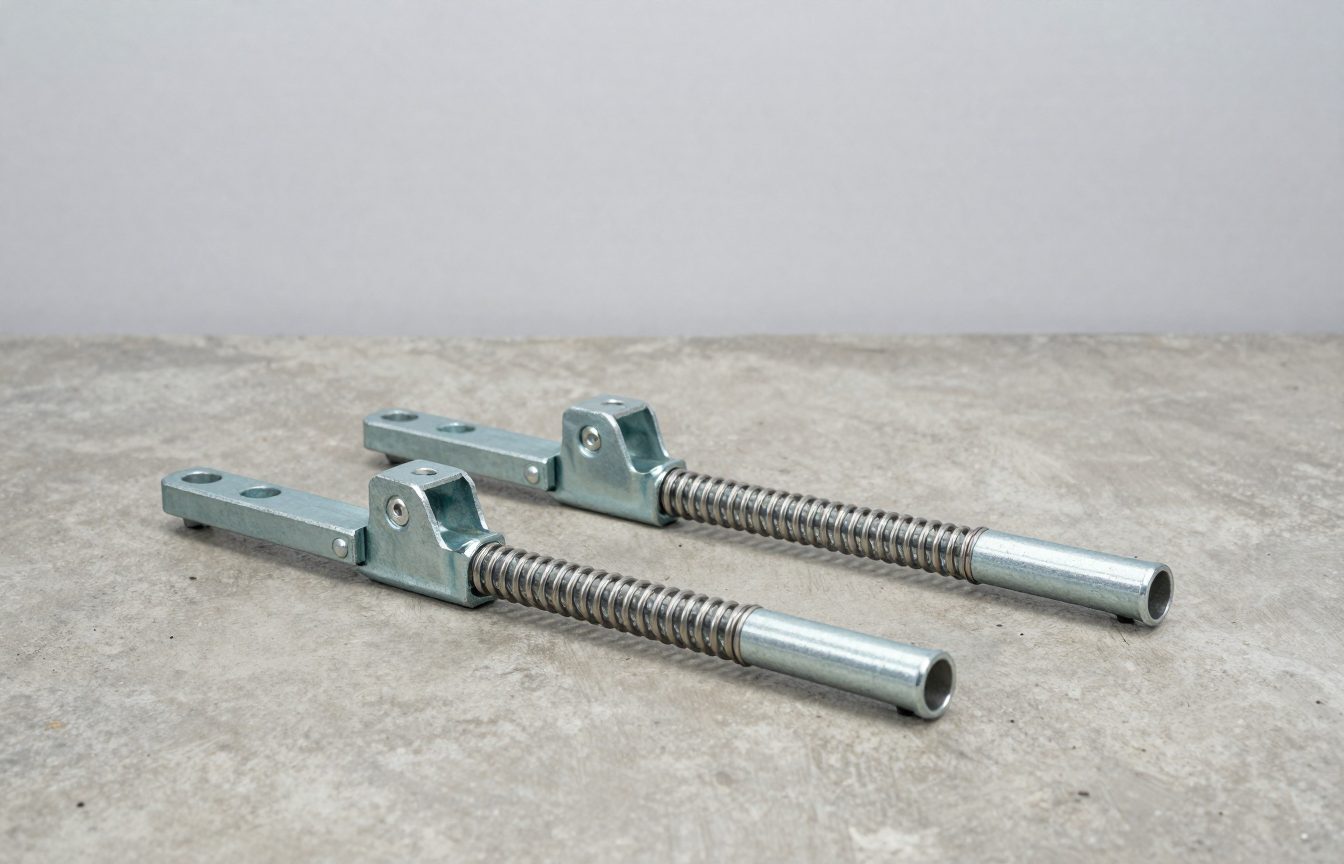
A weight distribution hitch (WDH) uses spring bars between the hitch and the caravan's drawbar to shift part of the ball weight forward onto the tow vehicle's front axle and back onto the caravan's axles. It restores steering and braking feel with heavy ball weights. It does not raise the vehicle's tow ball rating, GVM or GCM, and you still need to stay under all of them.
What it does
Without a WDH, the tow ball weight acts behind the rear axle like a lever: the rear squats and the front lifts, taking weight off the front tyres, which do the steering and much of the braking. The WDH's spring bars are tensioned with chains or brackets so they push the drawbar up and the vehicle's rear up, spreading that load more evenly.
When it helps
- Heavy ball weights, typically from large single- and tandem-axle caravans.
- Vehicles with long rear overhangs or soft rear suspension.
- When the front of the vehicle visibly rises after hitching, or steering feels light.
What it does not fix
- Legal limits. Weights are measured on the scales whether or not a WDH is fitted. Check the four limits.
- A badly loaded van. Heavy items belong low and over the caravan's axles, not at the very front or rear.
- Sway from too little ball weight. A tail-heavy van needs re-loading, not more hardware.
Check before you fit
Some vehicle makers say in the handbook whether a WDH may be used with their towbar, and the towbar itself has a rating plate. Follow both, and have the bars tensioned by measuring wheel-arch heights before and after hitching.
How to tell if you need one: the wheel arch test
Measure before you buy. On level ground, with the tow vehicle loaded as you travel but the van unhitched:
- Measure from the centre of each front wheel hub to the guard above it, and the same at the rear.
- Hitch the loaded van and measure again.
- Compare. If the front has risen noticeably and the rear has dropped a lot, the ball weight is unloading the front axle.
With a weight distribution hitch fitted and tensioned, a common target is to bring the front back down most of the way towards its unhitched height. Your hitch's instructions give the method and target for that product; follow them, and check that the vehicle maker allows a WDH at all.
Setting it up, step by step
- Weigh first. Check the loaded van's ATM, the ball weight and the vehicle's limits, as Transport for NSW sets out. A WDH does not fix overloading.
- Set the hitch head height so the van sits level or slightly nose-down when hitched, matching the NSW Government's loading advice.
- Hitch up and attach the spring bars, then tension them using the chains or brackets as the instructions describe.
- Re-measure the wheel arches and adjust the tension until the front height is where the instructions say.
- Drive a short test, then re-check. Recheck after the first long trip, because components settle.
- Release the tension before reversing sharply or crossing steep dips and driveways, if the instructions say to; the bars can bind at extreme angles.
Weight distribution and sway control are different
A weight distribution hitch spreads ball weight across the axles. Sway control resists the van swinging side to side. Some hitches include friction or cam-type sway control, and some vans have electronic stability systems that apply the van's brakes when they sense sway. Transport for NSW recommends a towing vehicle fitted with electronic trailer sway control. None of these replaces correct loading: a van that is tail-heavy, with too little ball weight, is prone to sway whatever hardware is fitted. The NSW Government's advice if sway starts is to avoid braking the vehicle except as a last resort; apply the trailer brakes alone if you can, or hold a steady speed or accelerate slightly until it settles.
Weight on the scales with a WDH fitted
A WDH changes how the load is shared between the axles, not the total. When you weigh the rig, weigh it as you tow it, with the bars tensioned, so the axle readings reflect real driving. The Caravan Council of Australia's ball-loading paper is careful to separate the total mass from what each set of wheels carries, and the same distinction applies here: the van's ATM, the ball weight rating and the vehicle's GVM and GCM are all still the limits, whatever the hitch is doing. Our tow ball weight guide covers how to measure the ball load.
Common questions about weight distribution hitches
Can I reverse with it on? Usually yes for normal reversing, but sharp angles can bind the bars; follow the hitch maker's instructions about releasing tension.
Does it work with a hitch-mounted bike rack or a jerry can holder? Often not, because the bars and the rack compete for the same space; check before buying either.
Will it fix a squatting rear end permanently? It reduces the squat while towing. If the rear sits low even without the van, the springs may be tired or the vehicle may be near its GVM; weigh it and consider the suspension separately.
Planned range
When we open, we plan to stock weight distribution hitches, sway-control kits and tow ball scales. No prices or stock yet.
Common questions
Do I need a weight distribution hitch?
If your vehicle's rear squats and front lifts noticeably when the caravan is hitched, or the steering goes light, a WDH can help. It is not a substitute for staying within your vehicle's limits.
Does a weight distribution hitch increase towing capacity?
No. It changes how the load is spread across the axles, not the vehicle's legal ratings.
Sources
Hitch & Highway is a towing and van gear store in preparation and is not trading yet.